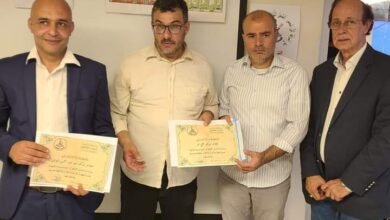
الورشة الثانية حول علاج الألم في جامعة البلمند
نظّمت كلية الطب والعلوم الطبّية في جامعة البلمند ورشة العمل الثانية في مجال طبّ الألم في لبنان، تحت عنوان “Hands-on Cadaver Spine & MSK Ultrasound”، وذلك في 26 و27 أيلول 2025، في قسم التشريح في حرم جامعة البلمند في الكورة. إنّ هذه الورشة هي الأولى من نوعها في لبنان، وقد نظّمها البروفيسور مارون غبش، رئيس المؤتمر، حيث تهدف إلى استكشاف طرق علاج الألم من خلال دمج التكنولوجيا مع التدريب العملي للمشاركين، بمشاركة خبراء في مجال معالجة الألم.
شهدت الورشة مشاركة عدد من المتحدّثين المتميّزين من بينهم الدكتور زبيغني كيركور، استشاري في التخدير وطبّ الألم ورئيس عيادة Regenexx في المملكة المتحدة، والدكتور مارتيناس جوزيتيس، الشريك المؤسّس والطبيب المتخصّص في الطب التجديدي المتقدّم في عيادة Algocells Regenexx، بالإضافة إلى الدكتور أرون بهاسكار، الرئيس السابق للجمعية البريطانية للألم ورئيس القسم البريطاني للجمعية العالمية لطب الألم (WIP).
قدّمت ورشة العمل نظرة شاملة وتدريباً عملياً معمّقاً في مجال إدارة الألم، حيث بدأت بجلسة تحضيرية عبر الإنترنت ركّزت على المعلومات الرئيسية، بما في ذلك التشريح، ومبادئ السلامة، وإدارة المخاطر.
أما البرنامج الحضوري، فامتدّ على عدّة أيام، وتضمّن محاضرات قدّمها خبراء حول مواضيع مثل استخدام الستيرويدات، والعلاجات التجديدية، والألم العصبي، وإجراءات التردّد الحراري، وتصوير العمود الفقري. كما شارك المتدرّبون في تدريبات عملية مكثّفة، شملت تقنيّات التداخل باستخدام الموجات فوق الصوتية والأشعة السينية على نماذج حيّة ومحنّطة. وتمّ تصميم هذه الجلسات لتعزيز الفهم التشريحي، وتحسين المهارات الإجرائية، وتحديث المعلومات السريرية حول أحدث التطوّرات وأفضل ممارسات السلامة في إدارة الألم.
أوضح الدكتور سامي عازار، عميد كلية الطب والعلوم الطبية، دور الجامعة في المساهمة في الابتكار الطبي قائلاً: “تسعى جامعة البلمند، كمؤسّسة أكاديمية رائدة، إلى أن تكون في مقدّمة المشهد الطبي من حيث الابتكار والتطوير. وتأتي استضافة هذه الورش لتُعزّز مسؤوليتنا ليس فقط في مجال التعليم، بل في القيادة والتقدّم أيضاً، من خلال خلق مساحات لتطوير تقنيات جديدة، واستكشاف علاجات مبتكرة، وتعزيز ثقافة التعاون، ما يسهم بشكل مباشر في رفع مستوى وجودة رعاية المرضى.”
Second UOB Interventional Pain Medicine Workshop
The Faculty of Medicine and Medical Sciences (FOM) at the University of Balamand (UOB) held its second pain medicine workshop in Lebanon titled “Hands-on Cadaver Spine & MSK Ultrasound” on September 26th and 27th, 2025, at the Anatomy Department of UOB, Koura Campus. This unique and first of its kind workshop was organized by Professor Maroun Ghabach, President of the Congress. The symposium’s goal is to explore pain treatment methods by integrating technology and hands-on practice for participants with experts from the pain management field.
Featured speakers at this workshop include Dr. Zbighniew Kirkor, Consultant in Anaesthesia and Pain Medicine and the Head of Regenexx Clinic in the UK; Dr. Martynas Juozaitis, Co-owner & Doctor at Algocells Regenxx Clinic for advanced regenerative Medicine; and Dr. Arun Bhaskar, Past President of the British Pain Society Chairman of the UK Section of WIP, UK.
The workshop on Interventional Pain Management provided a comprehensive overview and practical training in the field, beginning with an online pre-session focused on foundational knowledge, including anatomy, safety principles, and risk management.
The in-person program took place multiple days and featured expert-led lectures on topics such as steroid use, regenerative therapies, neuropathic pain, radiofrequency procedures, and spinal imaging. Participants engaged in extensive hands-on training, including ultrasound-guided and X-ray-guided interventions on both live models and cadavers. The sessions were designed to deepen anatomical understanding, refine procedural skills, and update clinicians on the latest advances and safety practices in pain management.
Dr. Sami Azar, the Dean of FOM, spoke about the university’s role in driving innovation in the medical field, stating: “As a leading academic institution, UOB strives to be at the forefront of medical innovation. Hosting such workshops reinforces our responsibility not only to educate but also to lead, by creating spaces where new techniques, emerging therapies, and collaborative thinking shape the future of patient care.”