حلقة دراسية من تنظيم جامعة البلمند
“مسيحيون ومسلمون وقضايا معاصرة”
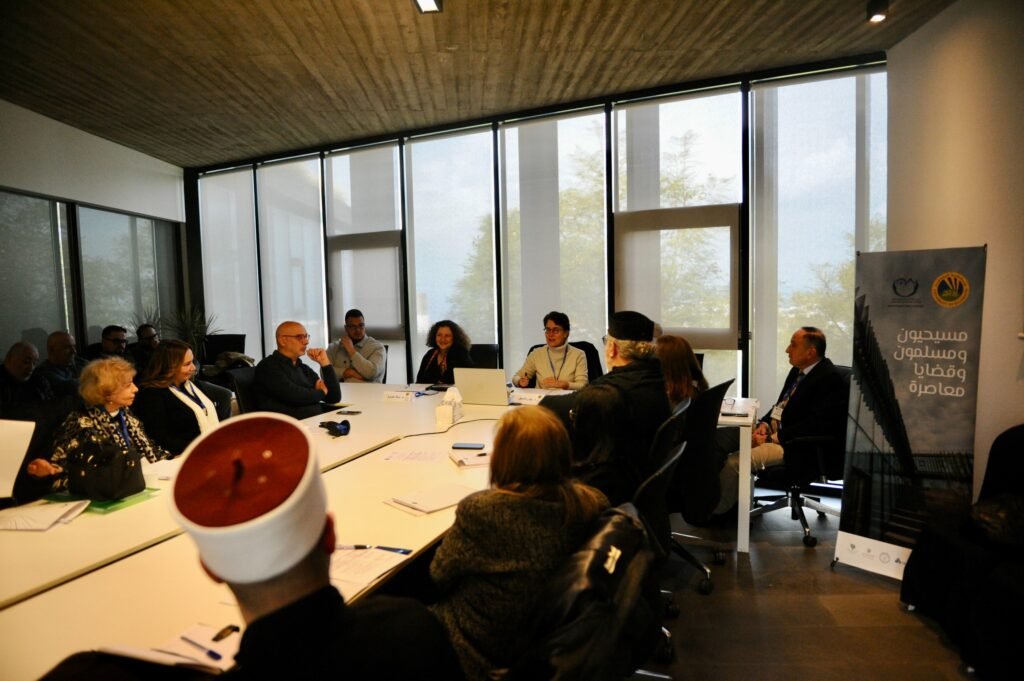
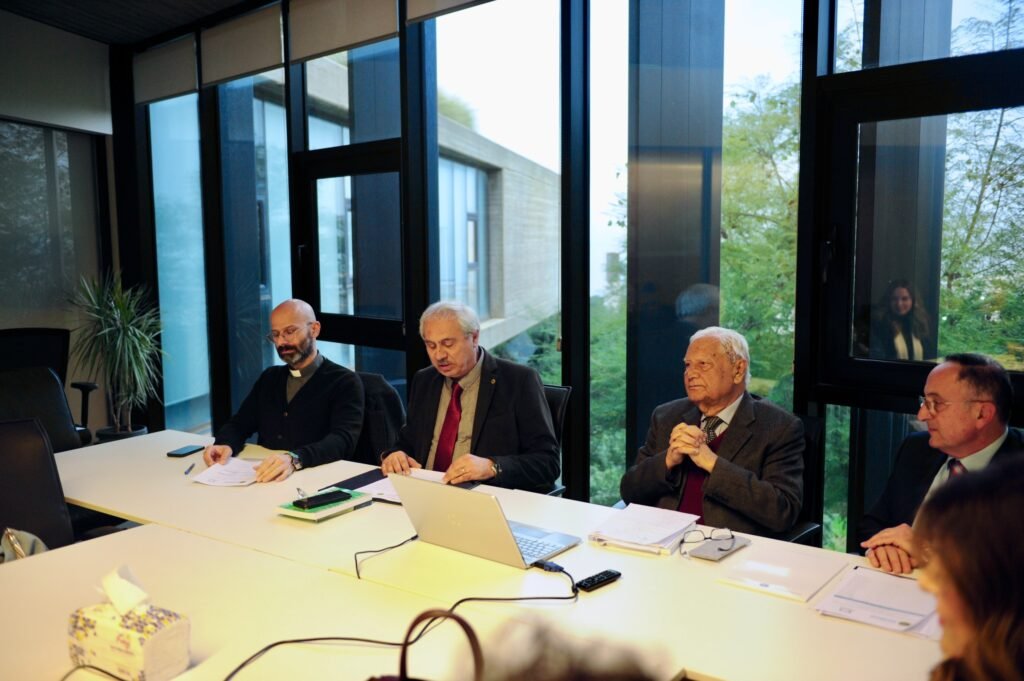
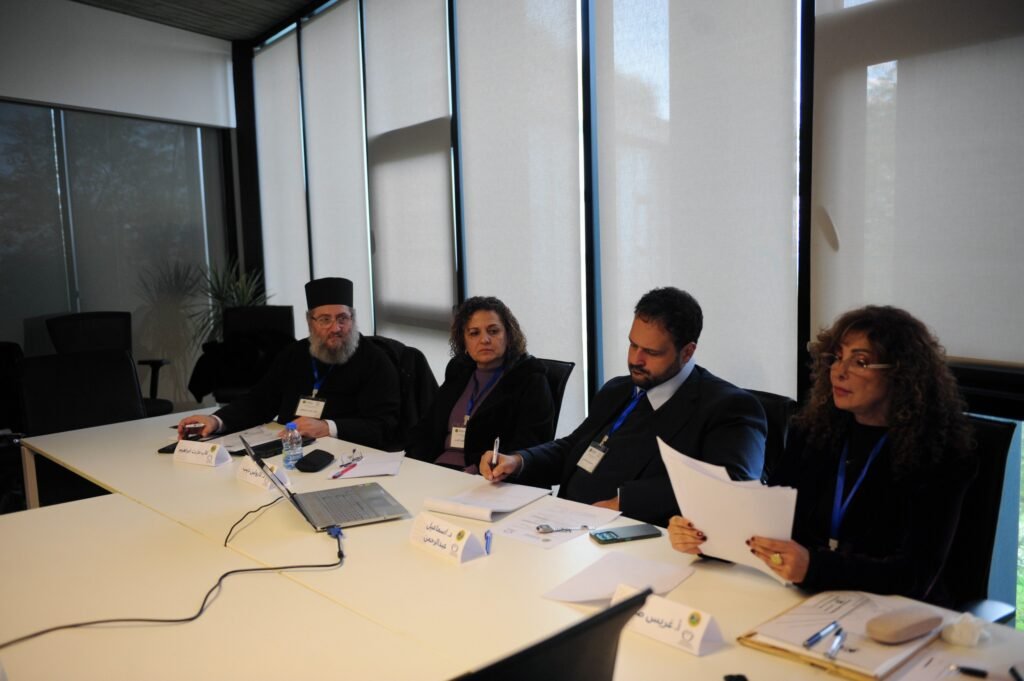
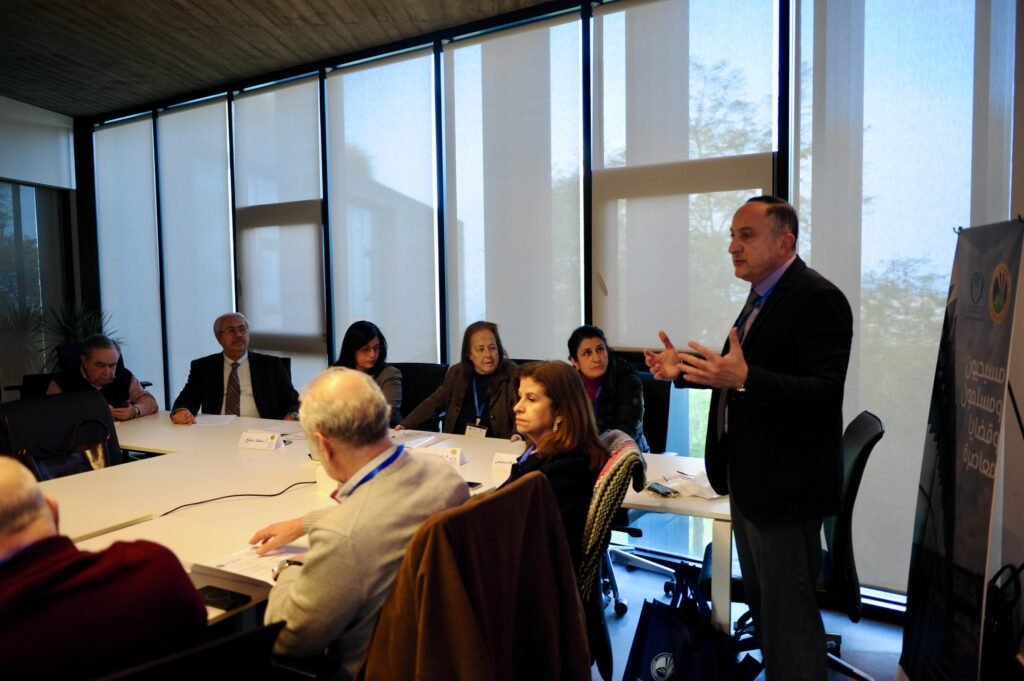
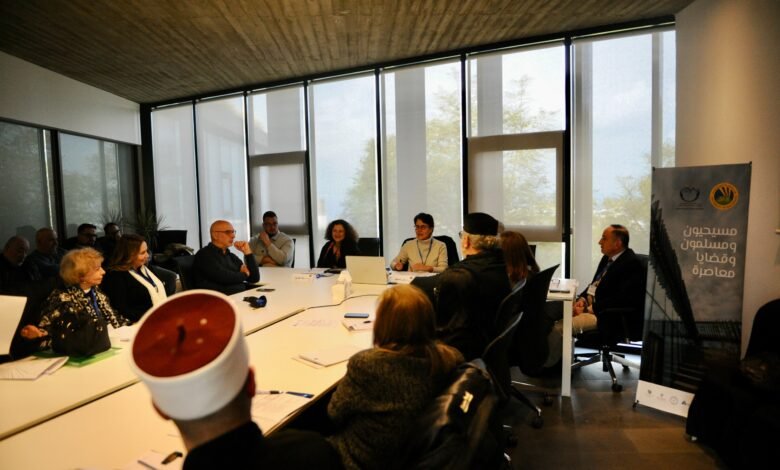
نظّم مركز الدراسات المسيحية الاسلامية في جامعة البلمند على مدى ثلاثة أيام، بمناسبة مرور 60 عام على توقيع وثيقة “في عصرنا” Nostra Aetate، حلقة دراسية بعنوان “مسيحيون ومسلمون وقضايا معاصرة” في مركز الشيخ نهيان للدراسات العربية وحوار الحضارات في حرم جامعة البلمند في الكورة، بمشاركة نخبة من الأكاديميّين والباحثين ورجال الدين من لبنان والعالم العربي.
وقد افتُتحت الحلقة بكلمة لعميد كلية الآداب والعلوم في جامعة البلمند، الدكتور حنّا النكت، سلّط فيها الضوء على رسالة الجامعة القائمة على لقاء الوجوه وتبادل الخبرات من خلال البحث والتنقيب والتحقيق، وما ينتج عن ذلك من فكرٍ خلّاق يسهم في تعزيز ثقافة الحوار والانفتاح.
بدوره، تناول الدكتور محمد السماك، أمين عام اللجنة الوطنية للحوار المسيحي-الاسلامي، صورة الإسلام في الفاتيكان قبل وبعد صدور وثيقة Nostra Aetate، متوقّفًا عند دور لبنان في نقل رسالة الإسلام القائمة على الانفتاح والحوار. أما الأب الدكتور غي سركيس، الباحث و الأستاذ الجامعي في معهد الدراسات المسيحية والإسلامية في جامعة القدّيس يوسف، فقد ركّز في مداخلته على لاهوت الأديان في إطار المجمع الفاتيكاني الثاني وانعكاساته على العلاقات بين الأديان.
من جهته، تحدّث الدكتور الياس الحلبي، مدير مركز الدراسات المسيحية-الإسلامية في جامعة البلمند، عن الوثيقة مبرزًا الدور التكاملي لمجلس الكنائس العالمي مع الكنيسة الكاثوليكية من خلال المجمع الفاتيكاني الثاني في بلورة العلاقات بين الأديان في العصر الحديث، ودور لبنان الريادي في تأسيس مساحات التلاقي بين المسيحيّين والمسلمين، إضافة إلى دور المركز وجامعة البلمند في تعزيز العلاقات المسيحية-الإسلامية من خلال العمل الأكاديمي والبحثي.
وقد تضمّن البرنامج جلسات علمية متعدّدة تناقش موضوعات الحوار المسيحي-الإسلامي من زوايا لاهوتية وفكرية وتاريخية واجتماعية، من بينها مفهوم التنوّع الديني، العيش المشترك، أثر الذاكرة والمكان في العلاقات بين الجماعات الدينية، التعليم الديني في لبنان، ودور المؤسّسات الحوارية في مواجهة العنف والتطرّف، مع عرض لتجارب لبنانية وعربية معاصرة.
كما تناولت المداخلات العلاقات المسيحية-الإسلامية في التاريخ الحديث، من خلال الوثائق العثمانية ووثائق الأوقاف، إضافة إلى قضايا العمل الاجتماعي، المواطنة، الأحوال الشخصية، حقوق الإنسان، وحقوق المرأة في المواطنة الكاملة، وصولاً إلى مقاربات فكرية ونقدية لمسائل الحوار الديني واستخدام النصوص الدينية.
واختُتمت الحلقة بالتأكيد على أنّ الحوار المسيحي-الإسلامي لم يعد خيارًا فكريًا فحسب، بل ضرورة إنسانية وحضارية، وأنّ ما طُرح من أبحاث ونقاشات يشكّل خطوة إضافية نحو ترسيخ ثقافة اللقاء والشراكة في مواجهة تحدّيات العصر، انطلاقًا من الدور الريادي الذي يضطلع به لبنان وجامعة البلمند في تعزيز قيم العيش المشترك والانفتاح.
UOB Hosts Seminar on
Christian–Muslim Dialogue and Contemporary Issues
On the occasion of the 60th anniversary of the Second Vatican Council document, Nostra Aetate, the Christian Muslim Studies Center at the University of Balamand (UOB) organized a seminar entitled “Christians and Muslims and Contemporary Issues.” The seminar was held at the Sheikh Nahyan Center for Arabic Studies and Intercultural Dialogue from January 22 to 24, 2026, at UOB Koura campus, with the participation of a group of academics, researchers, and religious leaders from Lebanon and the Arab world.
In his speech at the opening session, the Dean of the Faculty of Arts and Sciences at UOB, Dr. Hanna Al Nakat, highlighted the university’s mission based on encounter, exchange, and mutual enrichment through research and scholarly inquiry, and the creative thought this generates in promoting a culture of dialogue and openness.
Dr. Mohammad Sammak, Secretary General of the Lebanese National Committee for Christian-Muslim Dialogue, addressed the image of Islam in the Vatican before and after the issuance of Nostra Aetate, emphasizing Lebanon’s role in conveying the message that Islam is grounded in openness and dialogue. Father Dr. Guy Sarkis, researcher and university professor at the Institute of Islamic and Christian Studies at Saint Joseph University, focused in his presentation on the theology of religions within the framework of the Second Vatican Council and its implications on interreligious relations.
In turn, Dr. Elias El Halabi, Director of the Christian Muslim Studies Center at UOB, pondered on the document, highlighting the synergy between the ecumenical work of the World Council of Churches and the Catholic Church through the Second Vatican Council in shaping interreligious relations in the modern era. He also underlined Lebanon’s pioneering contribution in creating spaces of encounter between Christians and Muslims, as well as the role of the Center and UOB in promoting Christian-Muslim relations through academic and research work.
The program included several academic sessions addressing Christian-Muslim dialogue from theological, intellectual, historical, and social perspectives. Topics included religious diversity, coexistence, the impact of memory and places on relations between religious communities, religious education in Lebanon, and the role of interfaith institutions in confronting violence and extremism, alongside sharing of contemporary Lebanese and Arab experiences.
The discussions also examined Christian-Muslim relations in modern history through Ottoman documents and “waqf” records, as well as issues related to social work, citizenship, social justice, human rights, and the role of women in society, in addition to theoretical and critical approaches to interreligious dialogue and the use of religious texts.
The seminar concluded by affirming that Christian-Muslim dialogue is no not merely an intellectual choice, but a human and civilizational necessity. The research papers presented and the discussions constitute a further step toward strengthening a culture of partnership in facing the challenges of the present time, and building on the pioneering role played by Lebanon and UOB in promoting the values of living together and mutual openness.