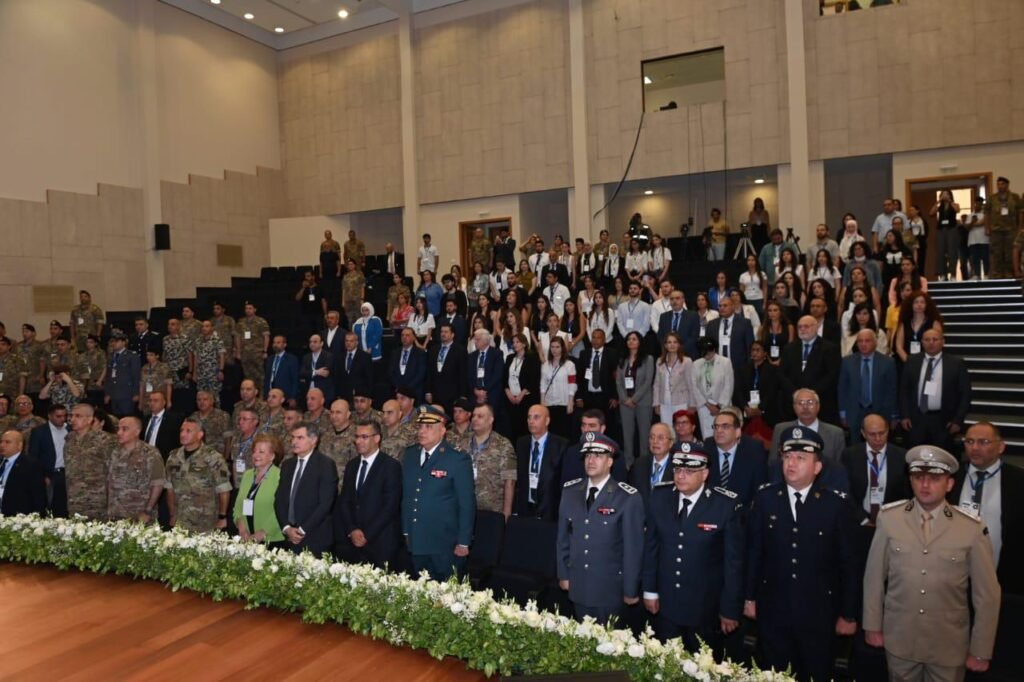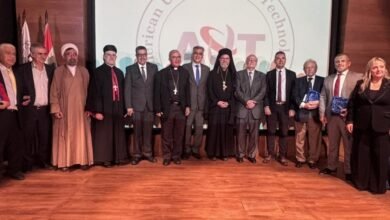
برعاية فخامة رئيس الجمهورية اللبنانية العماد جوزاف عون وبالتعاون مع الطبابة العسكرية في الجيش اللبناني، نظّمت كلية الصحّة العامة وعلومها في جامعة البلمند مؤتمر “إدارة الأزمات في القطاع الصحّي” بتاريخ 3 حزيران 2025 في حرم الجامعة في الكورة.
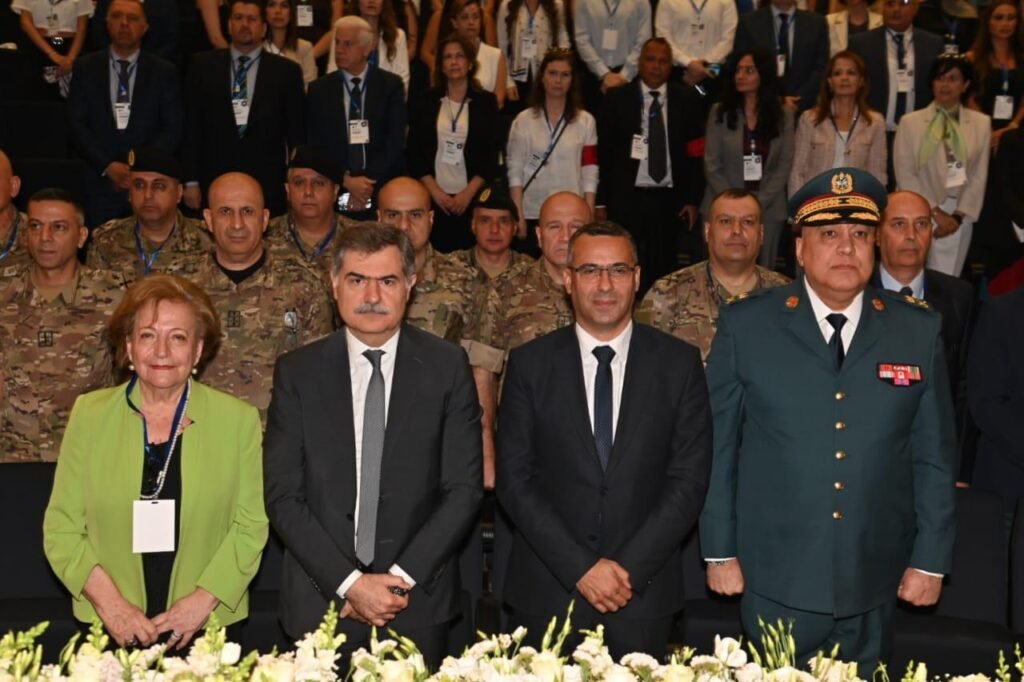
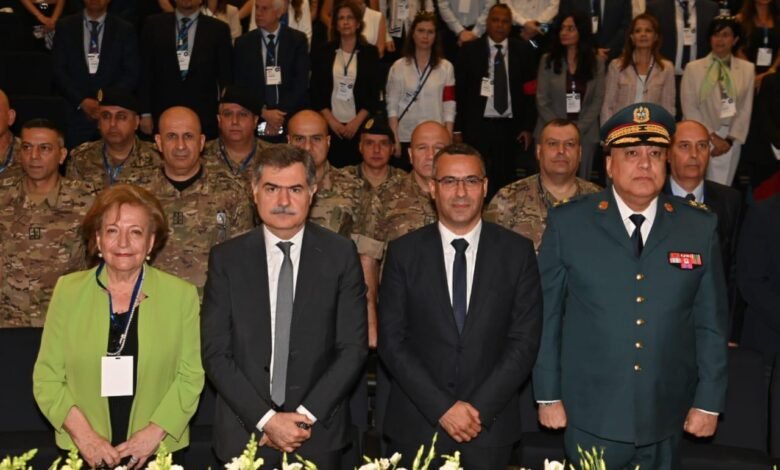
حضر المؤتمر ممثّل رئيس الجمهورية العماد جوزاف عون معالي وزير الزراعة الدكتور نزار هاني، ممثّل قائد الجيش العماد رودولف هيكل اللواء الركن رئيس الأركان حسان عودة، رئيس الطبابة العسكرية العميد الإداري داني بشراوي، رئيس جامعة البلمند الدكتور الياس وراق، عميدة كلية الصحّة العامة وعلومها في الجامعة الدكتورة هدى هاير، رئيسة قسم الصحّة العامة في جامعة البلمند الدكتورة ميريام مراد، قيادات من القطاع الصحّي، الأكاديمي، العسكري، عمداء ومدراء الجامعة.
يشكّل هذا المؤتمر محطّة بارزة ضمن إطار احتفالات الذكرى الثلاثين لتأسيس كلية الصحّة العامة وعلومها في جامعة البلمند، ويهدف إلى معالجة التحدّيات الأساسية التي تواجه النظام الصحّي في لبنان في ظلّ سلسلة من الأزمات الوطنية المستمرة التي واجهها لبنان في الفترة الأخيرة. يسعى المؤتمر الى تسهيل الحوار بين الجهّات المعنية الأساسية في القطاع الصحّي، ورصد التجارب والخبرات، وذلك من أجل اقتراح حلول مستقبلية مبتكرة تضمن تعزيز جهوزية النظام الصحّي اللبناني لمواجهة تحدّيات المستقبل.
تخلّل المؤتمر سلسلة من المحاضرات وحلقات النقاش التي تناولت مواضيع استراتيجية في مجال إدارة الأزمات الصحّية، وأبرزها تأثير الكوارث الصحّية والحروب والأزمات الإقتصادية على النظام الصحّي اللبناني، أهمية التخطيط الاستراتيجي، تعزيز البنى التحتية، مواجهة الأزمات المناخية، وتطوير القيادة الصحّية في بيئات الضغط العالي. وقد شارك في الجلسات عدد من خبراء الصحّة، وزير الصحّة الدكتور راكان ناصرالدين، ممثّلين عن وزارة الشؤون الاجتماعية ووزارة العمل، كما قُدّمت محاضرات من قبل الدكتور نسيم طالب والسيد كارلوس غصن.
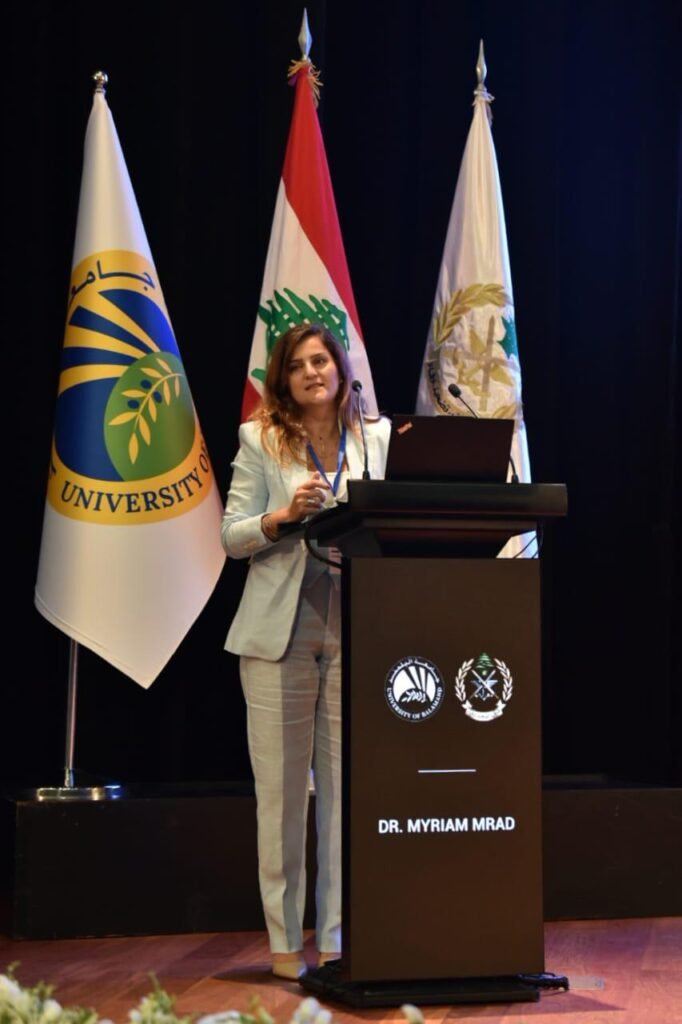
في مداخلتها، أوضحت الدكتورة مراد أنّ “ميزة هذا المؤتمر تكمن في التعاون مع الجيش اللبناني، الذي يمثّل إحدى ركائز الوطن الأساسية، ومشاركة وحضور العديد من الخبراء من خلفيات متنوعة، مع التركيز على مبدأ الشراكة، بهدف الوصول إلى مسودّة قرارات تُسهم في تحسين الوضع الصحّي، لأن الصحّة حق للجميع.”
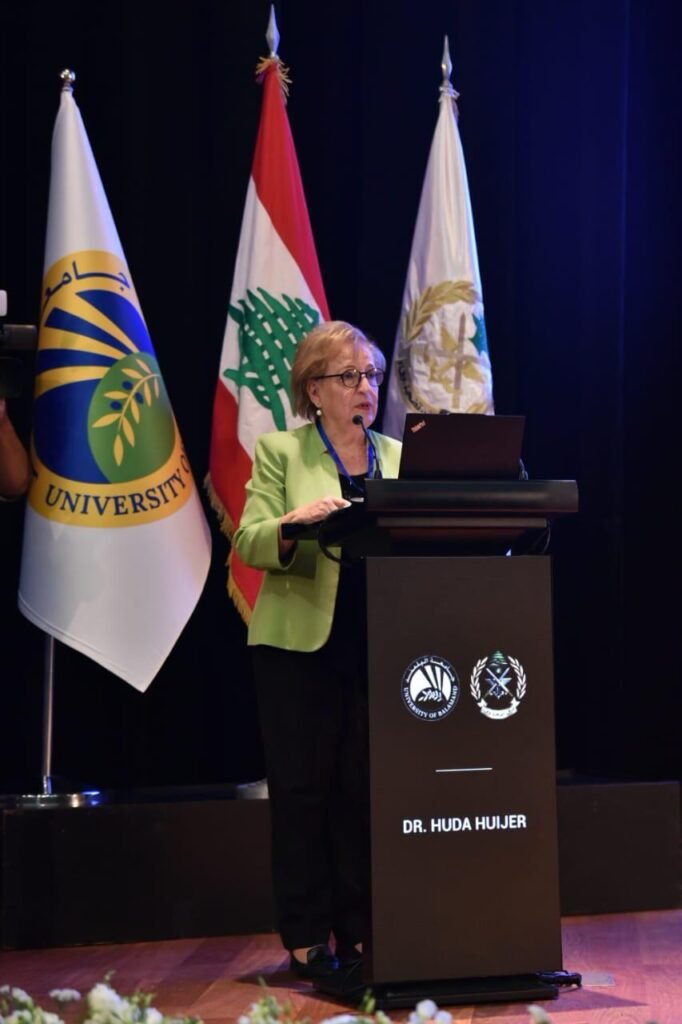
وقد سلّطت الدكتورة هاير الضوء على تميّز كلية الصحّة في جامعة البلمند : “نحتفل هذا العام بمرور 30 عامًا على تأسيس الكلية. ثلاثة عقود من الخدمة والتعليم والبحث في أكثر المجالات أهمية وتحديًا في لبنان”. وأضافت: “رغم الأزمات المتعدّدة والمتراكمة التي مرّ بها لبنان، لا يزال قسم الصحّة منارةً للتميّز، ليس فقط من حيث التزامه بالخدمة والتعليم، بل بشكل خاص من حيث إنتاجه البحثي، وخصوصًا في المجالات الحيوية والناشئة مثل الصحّة البيئية وتغيّر المناخ.”
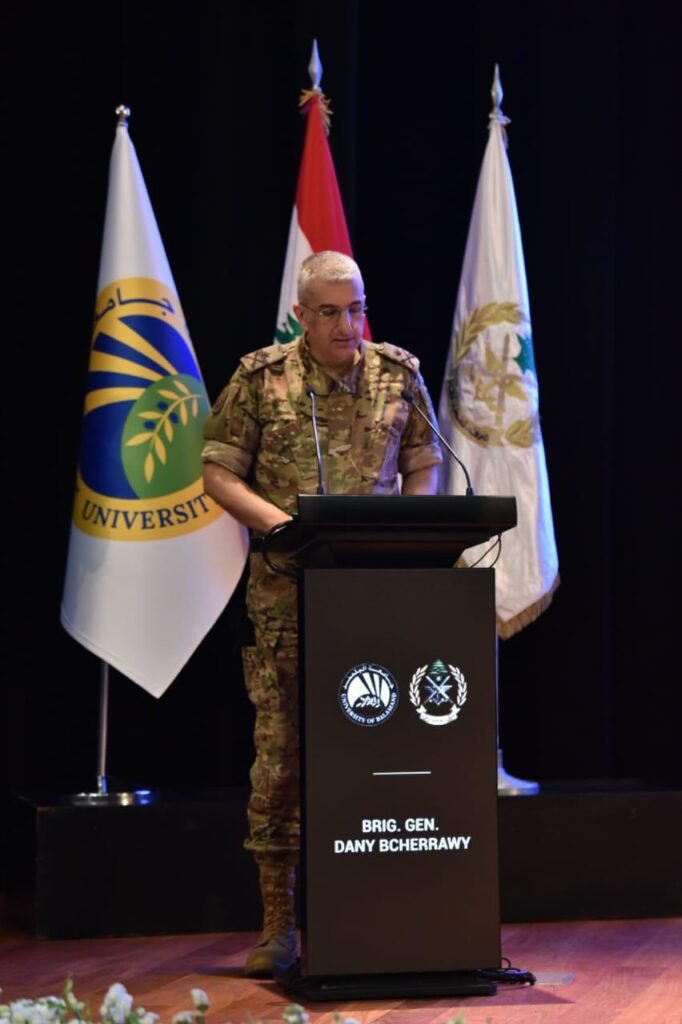
أمّا رئيس الطبابة العسكرية العميد الإداري داني بشراوي فأكّد على ضرورة التعاون في هذه الأوقات: “في خضمّ كل هذه التحدّيات برزت حقيقة أساسية وهي أنّه لا يمكن لأي جهة مهما بلغت كفاءتها ان تواجه الأزمات بمفردها. التعاون لم يعد خيارا بل أصبح شرطاً للبقاء. من هنا يأتي هذا المؤتمر ليشكل منصّة حوار وتكامل بين الجهّات الصحّية الرسمية والمؤسّسة العسكرية والقطاع الخاص والجامعات ومنظمّات المجتمع المدني”.
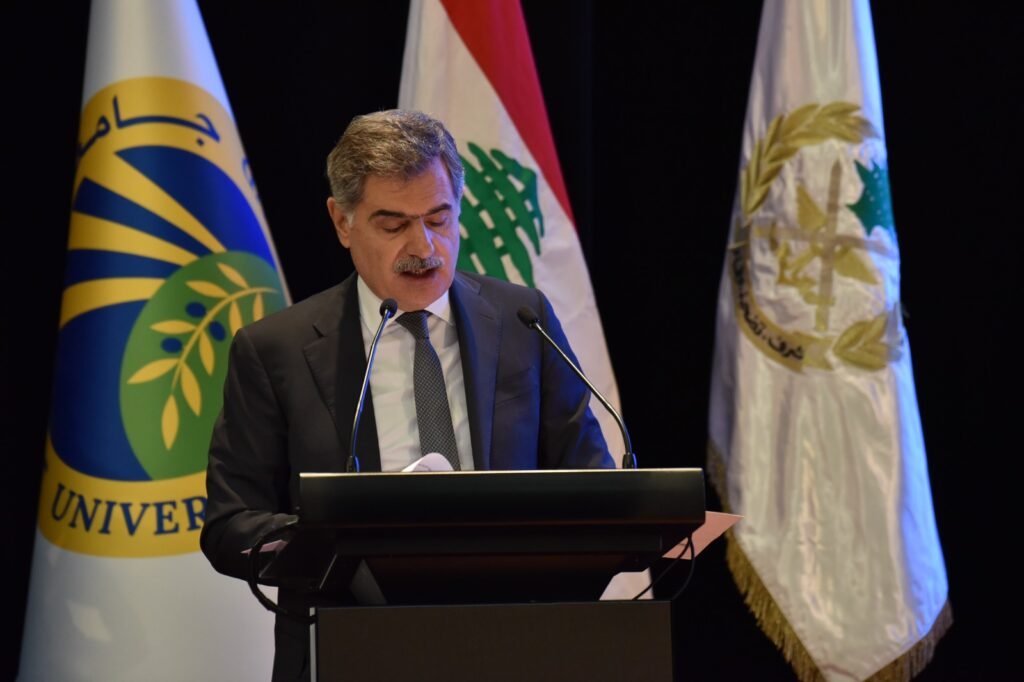
في كلمته شدّد الدكتور وراق على أهمية النهوض بالقطاع الصحّي بعد التحدّيات التي تواجهه قائلاً: “نظراً لكل ما حدث من تجارب ومآسي، يجب أن نتحوّل إلى بلد يتعلّم من المصائب ليجتاز المصاعب، من خلال الوعي المجتمعي الذي يجب أن يترافق مع خطط استراتيجية توضع من قبل أصحاب القرار في مواقع المسؤولية. لذلك يجب أن ندرك أهمية تحسين البنى التحتية لنظامنا الصحّي، ومن ضمنها تدريب العاملين في هذا المجال على مواجهة الأزمات، وإنشاء أنظمة استجابة طارئة من خلال الإستثمار في التكنولوجيا والتقنيات الحديثة”.
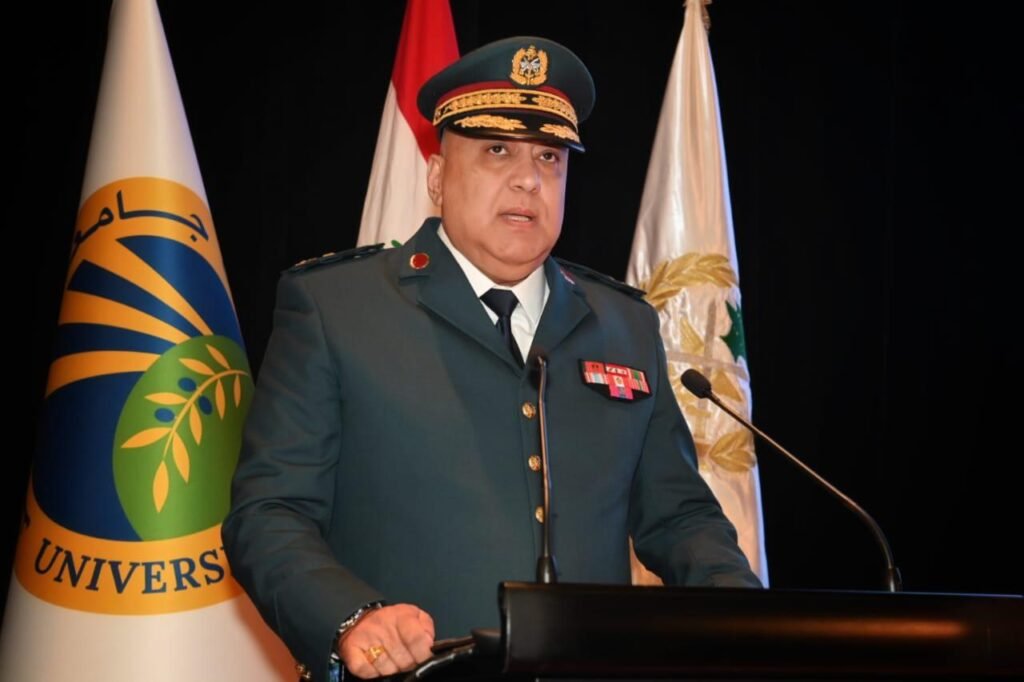
أما ممثّل قائد الجيش رئيس الأركان اللواء الركن حسان عودة فأعلن: “يجسّد لقاءنا في مؤتمر إدارة الأزمات في القطاع الصحّي في جامعة البلمند الإرادة المشتركة بين عدة مؤسّسات وطنية، على رأسها وزارة الصحة العامة وعدد من كبار المسؤولين الرسميين والخبراء من مجالات مختلفة متّصلة بالرعاية الصحّية من أجل الارتقاء بالقطاع الصحّي في لبنان وتحصين وطننا أمام الأزمات التي تطال الصحّة العامة”. وأضاف: “بذلت المؤسّسة العسكرية قصارى جهدها لأداء دور فاعل على الصعيد الصحّي خلال الأزمات الخطيرة انطلاقا من دورها كمؤسّسة ضامنة لأمن لبنان واستقراره وايمانا منها بقدسية واجبها المهني والأخلاقي في الوقوف الى جانب اللبنانيين بمختلف السبل”.
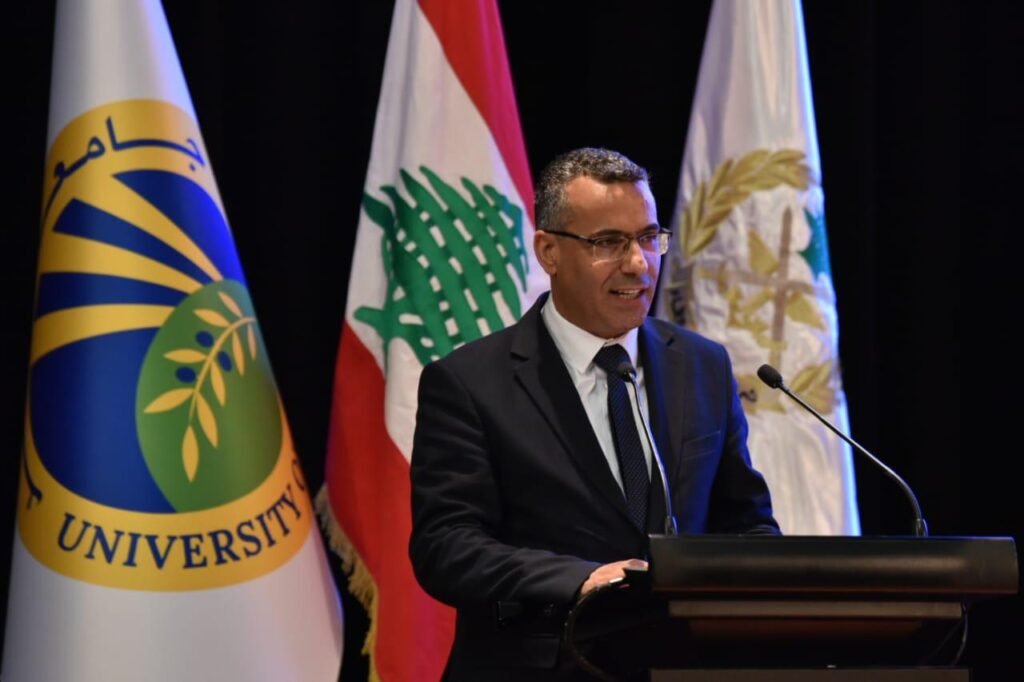
وأفاد ممثّل رئيس الجمهورية معالي وزير الزراعة الدكتور نزار هاني: “إن اختيار جامعة البلمند مع الجيش اللبناني لاحتضان هذا المنتدى لم يات من فراغ، فهذه المؤسّسة الأكاديمية لطالما لعبت دورًا فكريًا وطنيًا رياديًا في إحتضان المبادرات العلمية وتقديم مساحة للحوار البناء بين أهل الاختصاص وصناع القرار والشركاء الدوليّين”. وأضاف ان الأزمات لا تُواجه بالقرارات العشوائية بل بالرؤية والتخطيط والحوكمة الرشيدة ومن هنا فإنّ ما يطرحه هذا المنتدى من محاور حول القيادة في أوقات الأزمات والشراكة بين القطاعين العام والخاص وتعزيز البنى التحتية الصحّية يشكّل خارطة طريق نحو بناء منظومة صحّية وطنية شاملة تستند إلى الإبتكار والعدالة والإستعداد المسبق لا فقط الى ردود الأفعال المحدودة”.
يُجسّد هذا المؤتمر رؤية جامعة البلمند في رسم سياسات الصحّة العامة في لبنان، وتعزيز الجهوزية الوطنية لمواجهة الأزمات، من خلال جمع الأطراف المعنية على طاولة واحدة لبناء حلول واقعية ومستدامة.
UOB Hosts “Health, Emergency, Action & Leadership in Crisis Management HEAL” Forum in Collaboration with the Lebanese Army
Under the patronage of His Excellency the President of the Lebanese Republic, General Joseph Aoun, and in collaboration with the Lebanese Army Military Healthcare, the Faculty of Health Science (FHS) at the University of Balamand (UOB) organized the “Health, Emergency Action & Leadership in Crisis Management HEAL Forum” Conference on June 3, 2025, at the university’s main campus in Koura.
The conference was attended by the representative of his Excellency the President of the Republic of Lebanon General Joseph Aoun Minister of Agriculture Dr. Nizar Hani, the representative of Lebanese Armed Forces Commander General Rodolph Haykal Major General Hassan Aoude, Army Director of Military Medicine Brigadier General Dany Bcherrawy; UOB President Dr. Elias Warrak; Dean of FHS Dr. Huda Huijer, Chairperson of the Public Health Department Dr. Myriam Mrad, along with leaders from the health, academic, and military sectors, as well as deans and directors from the university.
This conference was part of the 30th anniversary celebrations of FHS at UOB and aimed to address major challenges facing Lebanon’s healthcare system amid ongoing national crises. The event sought to facilitate dialogue among key players in the health sector, reflect on lessons learned from recent crises, and propose innovative solutions to strengthen the resilience of Lebanon’s healthcare system for future emergencies.
The program included lectures and panel discussions focused on strategic topics in health crisis management, such as the impact of conflict on the healthcare system, the importance of strategic planning, infrastructure development, climate-related health crises, and leadership in high-pressure environments. A number of health experts participated in the sessions, along with Minister of Public Health Dr. Rakan Nassereddine, Representatives from the Ministry of Social Affairs and the Ministry of Labor. Lectures were also delivered by Dr. Nassim Taleb and Mr. Carlos Ghosn.
In her remarks, Dr. Mrad highlighted the uniqueness of the event, stating: “What makes this conference special is the collaboration with the Lebanese Army, which represents the nation. It also brings together experts from diverse backgrounds and emphasizes the value of partnership, with the goal of developing recommendations that can help improve public health, because health is a right for everyone.”
Dr. Huijer emphasized the faculty’s continued excellence: “This year we proudly celebrate 30 years since the founding of the faculty- three decades of service education and research in Lebanon’s most essential and challenging fields.” She added: “Despite the many compounded crises Lebanon has endured the Public Health department continues to be a beacon of excellence not only in its commitment to service and education but most notably in its research productivity, particularly in the critical and emerging fields of environmental health and climate change.”
Brigadier General Dani Beshrawi stressed the need for collaboration: “In the midst of all these challenges, one truth has become clear: no single entity, no matter how competent, can face crises alone. Collaboration is no longer optional; it is essential for survival. This conference serves as a platform for dialogue and cooperation among official health authorities, the military, the private sector, universities, and civil society organizations.”
Dr. Warrak spoke about the need to rebuild the healthcare system: “Given all the tragedies and experiences Lebanon has been through, we must become a country that learns from hardship in order to overcome it. This requires community awareness along with strategic planning by those in decision-making roles. We must invest in modern infrastructure, train healthcare workers to handle crises, and build emergency response systems using new technologies.”
Major General Hassan Aoude, representing Lebanese Armed Forces Commander General, emphasized: “Our gathering at the Crisis Management in the Health Sector Conference at UOB reflects the shared will of many national institutions, especially the Ministry of Public Health, alongside senior officials and experts from various healthcare-related fields. Together, we aim to strengthen Lebanon’s healthcare system and prepare it to face future public health crises.” He added: “The Lebanese Army has done everything it can to play an active role during serious health crises, fulfilling its ethical and professional duty to stand by the Lebanese people.”
His Excellency Minister of Agriculture Dr. Nizar Hani, representing his Excellency the President of the Republic of Lebanon, said: “The decision by UOB and the Lebanese Army to organize this forum was no coincidence. This academic institution has always played a leading national and intellectual role in supporting scientific initiatives and creating space for constructive dialogue among experts, policymakers, and international partners.” He added that crises should not be met with random decisions, but with vision, planning, and good governance. “The forum’s focus on leadership during crises, public-private partnerships, and strengthening health infrastructure provides a roadmap for building a national healthcare system based on innovation, fairness, and preparedness, not just reactive measures.”
This conference reflects UOB’s vision to shape public health policy in Lebanon and strengthen national preparedness by bringing stakeholders together to create practical, sustainable solutions.